
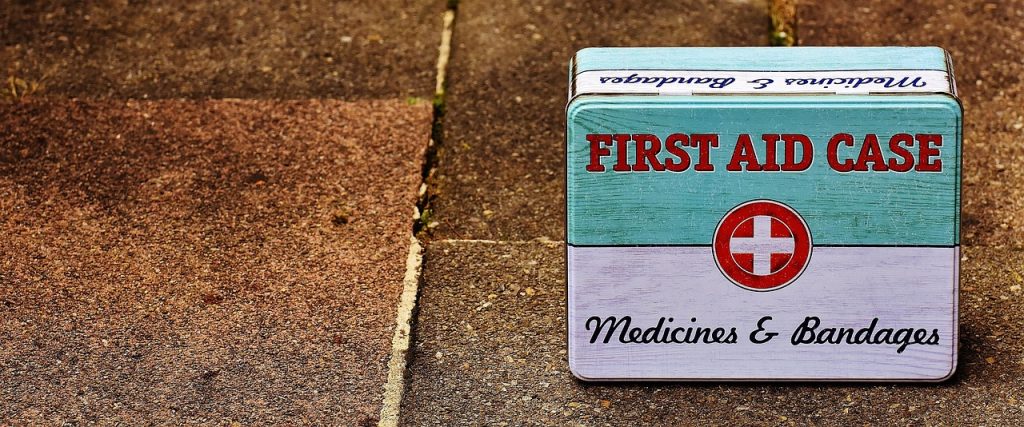
Traffic accidents in Singapore, or anywhere else, can happen unexpectedly — whether along expressways, carparks, traffic junctions, or even smaller neighbourhood roads. In stressful moments like these, panic often causes people to overlook basic safety steps.
Knowing simple first aid procedures at accident scene in Singapore procedures can help prevent further injury while waiting for emergency responders to arrive. While first aid does not replace professional medical treatment, remaining calm and acting carefully during the first few minutes can make a meaningful difference.
Step 1: Ensure Safety
Before approaching, take a moment to assess the scene.
- check for oncoming traffic, leaking fuel, or fire hazards;
- switch on your hazard lights, and if available, place a warning triangle about 20–50 metres behind your vehicle;
- keep bystanders away from danger zones;
- only move injured persons if there’s immediate danger (e.g., fire, explosion risk).
Step 2: Check for Responsiveness
Gently tap the person’s shoulder and ask loudly, “Are you okay?”
- if they respond — keep them calm and still
- if unresponsive, call 995 (SCDF Ambulance) immediately
- if you’re trained, start CPR if the person isn’t breathing normally
Step 3: Control Bleeding
- apply firm pressure on any bleeding wound using a clean cloth or bandage
- do not remove soaked pads — add more layers on top
- elevate the injured limb above heart level only if there are no signs of a fracture or severe pain.
Step 4: Treat for Shock
- lay the person down and keep them warm with a jacket or blanket
- raise their legs slightly (unless there’s leg or spinal injury)
- reassure them calmly and do not give food or drink
Step 5: Call for Help & Report the Accident
- dial 995 for emergencies (ambulance/fire/rescue)
- dial 999 for police assistance (especially if there’s injury, hit-and-run, or government property damage)
- notify your insurance company and, if possible, have your tow-truck or car servicing hotline handy.
💡 Tip: Save these numbers in your phone or keep a printed copy in your glove compartment for quick reference.
When speaking to emergency responders, try to provide:
- your exact location;
- the number of injured persons;
- whether anyone appears unconscious or trapped; and
- any immediate hazards such as smoke, leaking fuel, or blocked roads.
Clear information helps emergency services respond more effectively.
Quick Reference: Emergency Numbers (Singapore)
📞 995 — SCDF Ambulance / Fire / Rescue
📞 999 — Police
📞 1777 — Non-emergency ambulance (e.g., private transport to hospital)
What NOT To Do at an Accident Scene
While trying to help, some actions may unintentionally worsen injuries or place others in danger.
Avoid:
- moving injured persons unnecessarily, especially if spinal injuries are suspected;
- crowding around the injured person;
- removing a motorcyclist’s helmet forcefully unless absolutely necessary;
- allowing injured persons to walk around immediately after impact;
- panicking or arguing at the scene instead of focusing on immediate safety.
If you are unsure what to do, prioritise keeping the scene safe and wait for trained emergency responders.
Final Thoughts
Road accidents can be stressful and emotionally overwhelming especially when injuries are involved. However, staying calm and applying simple first aid at accident scene in Singapore procedures may help reduce further harm before professional medical assistance arrives.
Even if you are not medically trained, prioritising safety, calling for help quickly, and assisting within your limits can still make a meaningful difference during those critical moments.
Stay calm, stay safe, and help within your limits until professionals arrive.
🩹 Consider taking a certified First Aid + CPR/AED course from the Singapore Red Cross, SCDF, or St John Ambulance.
Disclaimer: This article provides general first aid awareness and is not a substitute for professional medical advice or certified first aid training. Always call 995 for emergencies.
Want to know your rights and next step in an accident in Singapore? Read more here.