
Part 6 of SG Law Guru’s 7-Part Will Series
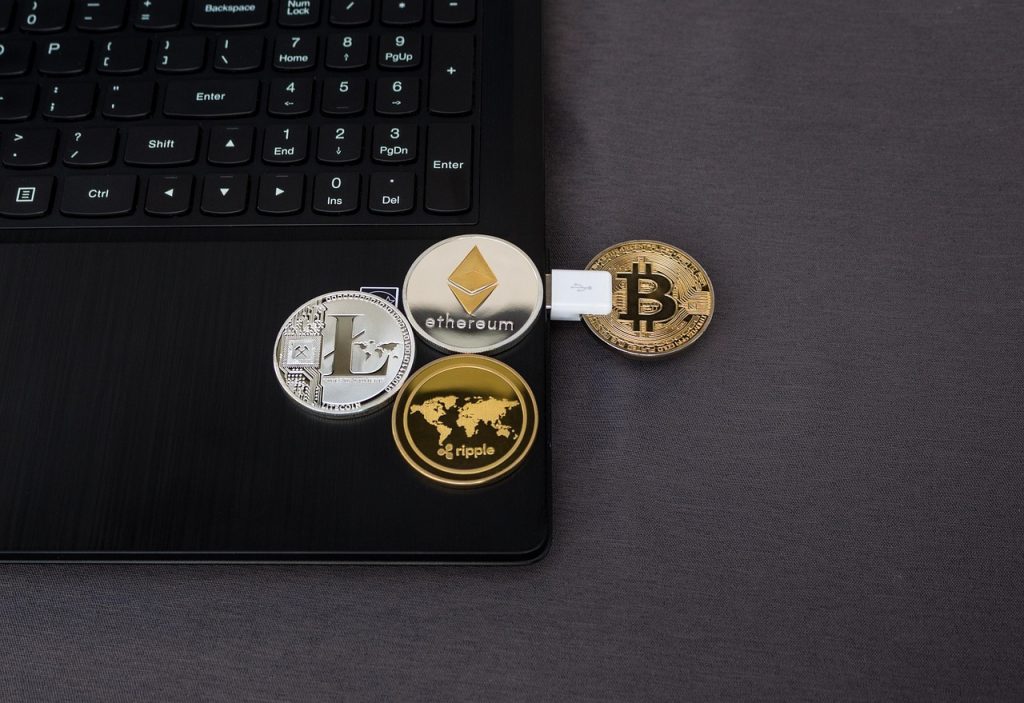
Digital assets in Singapore are becoming an increasingly important part of modern life. Most of us no longer live only in the physical world.
We bank online.
We invest through apps.
We store photos in the cloud.
Some of us may hold cryptocurrency.
Many run side businesses, monetised channels, or digital storefront.
Yet, when it comes to estate planning, digital assets are often overlooked or forgotten.
Under Singapore law, digital assets form part of your estate and are subject to probate administration — just like any other property.
A Will may distribute your property, savings and personal belongings. But, what about your crypto wallet? Your online brokerage account? Your domain name? How about your e-wallet balance?
Digital assets are now part of our modern estates. The question is not whether they matter — it is whether they can be accessed when the time comes.
What Counts as a Digital Asset in Singapore?
A digital asset is broadly any asset or account that exists in digital form and requires electronic access.
These may include:
Financial Digital Assets:
- cryptocurrency (e.g. Bitcoin, Ethereum)
- online brokerage or robo-advisor accounts
- e-wallet balances
- online payment platforms
- digital banking accounts
Personal Digital Assets:
- cloud storage (photos, documents, videos)
- email accounts
- social media profiles
Commercial or Income-Generating Assets:
- domain names
- e-commerce stores
- monetised YouTube or content channels
- affiliate platforms
- digital intellectual property
Some digital assets have monetary value. Others carry sentimental value. Both can be significant to your family.
Ownership Is Not the Same as Access
This is where many people misunderstand digital estate planning.
A Will can legally distribute ownership of assets. However, ownership does not automatically mean practical access.
For example:
- an executor may be legally entitled to your digital assets.
- without passwords, private keys, or proper authorisation, access may be difficult or even impossible.
- platform terms of service may restrict account access to third parties.
- some accounts may require additional verification steps such as two-factor authentication.
Digital estate planning therefore involves two separate issues:
- Legal authority; and
- Practical access.
Both must be considered.
Cryptocurrency: A Special Warning
Cryptocurrency requires particular attention.
Unlike traditional bank accounts, crypto assets are often controlled entirely by private keys or seed phrases. If these are lost, the assets may be permanently inaccessible.
There is no central authority to “reset” a decentralised wallet.
At the same time, it is generally not advisable to write private keys or seed phrases directly into a Will. Wills form part of the probate process and may eventually become part of the public court record.
Careful planning is needed to ensure that:
- the existence of crypto assets is known; and
- access information is stored securely and separately.
Crypto estate planning is not about complexity. It is about security, discretion, and clarity.
Common Digital Estate Planning Mistakes
In practice, the most common mistakes are surprisingly simple:
1. Assuming family members “know the passwords.”
In many cases, they do not.
2. Writing sensitive login details directly into the Will.
This creates security risks.
3. Forgetting smaller digital accounts.
Online wallets, stored credits, and subscription balances can accumulate value.
4. Ignoring two-factor authentication.
Even with a password, additional verification steps may prevent access.
5. Failing to keep an updated inventory.
Digital assets change frequently. A list created five years ago may no longer be accurate.
Practical Steps to Protect Your Digital Legacy
Digital estate planning does not require extreme measures. It requires organisation and foresight.
You may consider some of the following:
- preparing a clear inventory of digital assets;
- indicating the existence of such assets in your estate planning documents;
- appointing a trusted executor who is capable of handling digital matters;
- storing access information securely (but separately from your will);
- reviewing available legacy tools offered by certain platforms;
- updating your digital asset list periodically.
The goal is not to hand over passwords casually.
The goal is to ensure that your executor is not left navigating a digital maze without direction.
Why This Matters More Than Ever
In Singapore, digital banking, online investments, cashless payments, and cryptocurrency ownership are increasingly common. Digital assets are no longer niche or speculative — they are mainstream.
Yet many estate plans remain entirely physical.
If digital assets are ignored, families may face unnecessary delays, lost value, or permanent inaccessibility.
Estate planning today must reflect how we actually live.
A Thought to Leave With You
Planning for your digital legacy is about recognising reality.
Your online life does not automatically organise itself after you are no longer around.
With proper foresight, you can ensure that:
- financial value is preserved;
- sentimental memories are not lost; and
- your executor is equipped to act responsibly.
Digital assets are part of your estate — they deserve the same attention as any other property you own.
Disclaimer: This article serves as general information and does not constitute legal advice. You should consult a qualified lawyer for advice tailored to your specific situation. You may also refer to guidance from the Monetary Authority of Singapore on digital financial services and safeguards.
We’re Here to Help
If you’re unsure how your digital assets fit into your estate plan, it is worth reviewing them early.
SG Law Guru simplifies complex legal issues into practical guidance — so you can make informed decisions before matters escalate.
Contact us for personalised guidance tailored to your circumstances.
In the final article
Digital assets are only one part of modern estate planning. A Will is not a one-time document — it is a living instrument that should evolve with your life.
In the final article of this 7-part series, we will revisit the most common Will mistakes — and discuss when it is prudent to update your estate plan.
Previous Will Series:
Part 1: What exactly is a Will in Singapore
Part 2: Will — Why Every Adult should have one in Singapore
Part 3: Executor Roles in Singapore
Part 4: Unwillable Assets in Singapore
Part 5: Joint Accounts in Singapore